A first bra is a milestone in any girl’s life - an exciting sign she’s on her way to becoming an adult! Some girls start wearing their first bras out of necessity as their bodies change, while others do it to keep up with the other girls at school. Either way, a training bra marks that all-important transition from childhood to early adolescence.
For many parents, especially those navigating this stage for the first time, this can be a great opportunity to brush up on comfort and timing. Below, we discuss what a training bra is, how it should be worn and how it’s different to other bras.
What Does a Training Bra Do?
Shopping for a training bra isn’t always easy, because different retailers often call them by different names. Similar products can be known as ‘first bras’ or ‘starter bras’ or even ‘preteen bras’ - though girls don’t have to fit into that age group to need one.
Sometimes, they can even be described as bralettes or crop tops, though these terms can also apply to other garments.
The terms ‘training bra’, ‘first bra’ and ‘starter bra’ all allude to the real purpose of this type of bra - it’s designed to support a young girl’s developing bust until she needs a more structured bra. It helps to:
- Provide light support to the breast tissue
- Offer breathable coverage for modesty and comfort
- Relieve self-consciousness about changes to the body
- Introduce girls to the feeling of wearing a bra daily.
Unlike sports bras or more structured bras, training bras are designed for minimal shaping and maximum comfort during the early stages of puberty. The focus is on light support and coverage rather than lift, shaping or compression.
How to Wear a Training Bra
Training bras are generally worn under everyday clothing, just like any other bra.
But unlike most bras, they don’t always use traditional bra sizing. Instead, they’re sometimes sized according to general clothing sizes (e.g. small, medium, large) or by age ranges. Because of this, it may take a little trial and error to find the right fit.
Remember, training bras shouldn’t be uncomfortable, just as regular bras shouldn’t. They should:
- Feel snug, but not tight, around the chest area
- Contain the breasts within the cups without any gaping or bulging
- Have adjustable straps that sit comfortably on the shoulders without digging into the skin
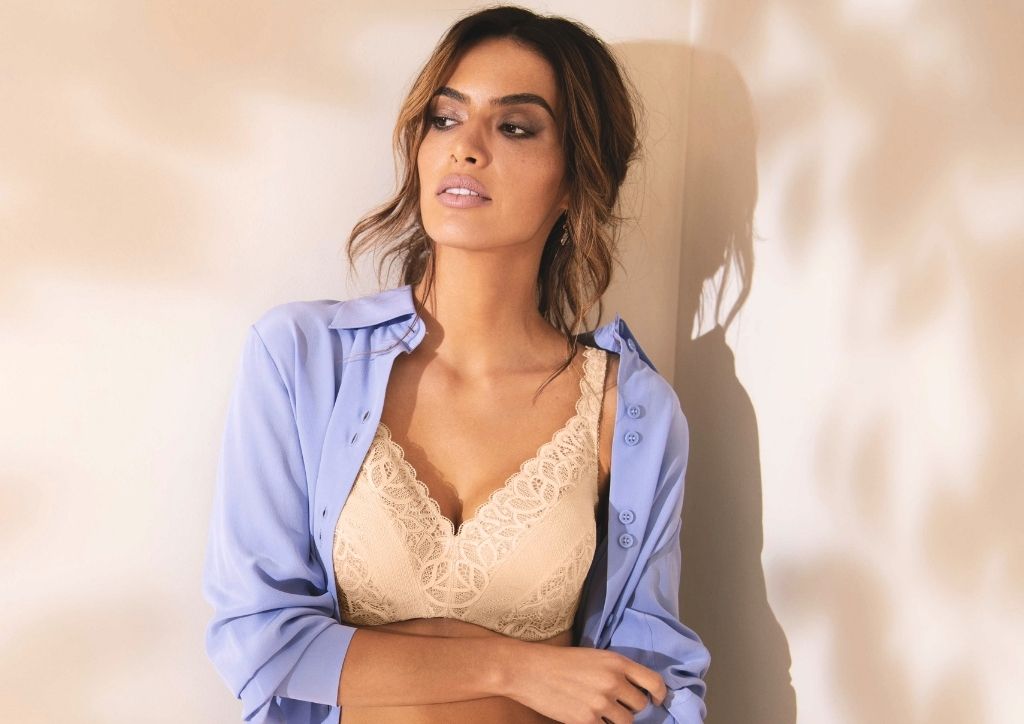
Typically, training bras avoid underwires, as they’re not needed for support. They may have soft, stretchy cups and adjustable straps that help with finding the most comfortable fit, and some may have simple hooked back fastenings that also assist in this. Some first bras may not open at the back at all, functioning like a short camisole vest instead.
There’s also variation in the designs available, with some young girls preferring seamless or cotton styles for breathability and softness against the skin.
Can You Wear a Training Bra to Sleep?
It’s generally not necessary to wear a training bra to bed. Most training bras are meant for light support just during the day, and aren’t needed during sleep. Sleeping without a bra is perfectly safe and can even be more comfortable.
However, some girls prefer to sleep in starter bras owing to the sense of security and comfort it provides - and that’s okay. To keep comfortable, follow these tips:
- Sleep in a different training bra to the one you wore all day - this helps to avoid the build-up of sweat and germs overnight
- Avoid sleeping in a bra that feels tight around either the chest or the shoulders - feeling comfortable is the first step towards a good night’s sleep
- Take a break from sleeping in your training bra if your skin starts to feel irritated - good alternatives can be camisole vests, pyjama tops or even something as simple as a T-shirt.
Knowing when to start wearing training bras isn’t always easy, as every girl is different. But when the time comes, knowing what to look for - from fit and features to when they should be worn - can make the process that much simpler.
FAQs
Why is it called a training bra?
A training bra is called this as it “trains” young girls to get used to wearing a bra. It introduces them to the feelingof support and coverage without the structure or complexity of an adult bra. The focus is on comfort, learning proper fit and building confidence in wearing bras.
What’s the difference between a sports bra and a training bra?
Although the terms can seem similar, these are actually two very different types of bras.
Sports bras are designed to provide firm support during physical activity and are generally made from elastic, high-performance fabrics. Training bras, on the other hand, are soft, light, breathable and meant primarily for everyday wear. They don’t offer the same level of compression as sports bras, though young girls may not need much compression at first.